From one location to a real operation.
Gastronomy businesses face a particular version of the growth problem: the chef who is also the manager, the informal kitchen hierarchy, the single-location processes that don't transfer to a second site. We know this terrain.
When the restaurant outgrows the founder
Most gastronomy businesses grow through the force of their founder's presence. That model works until it doesn't — and the breaking point usually comes when the team grows past what one person can personally oversee.
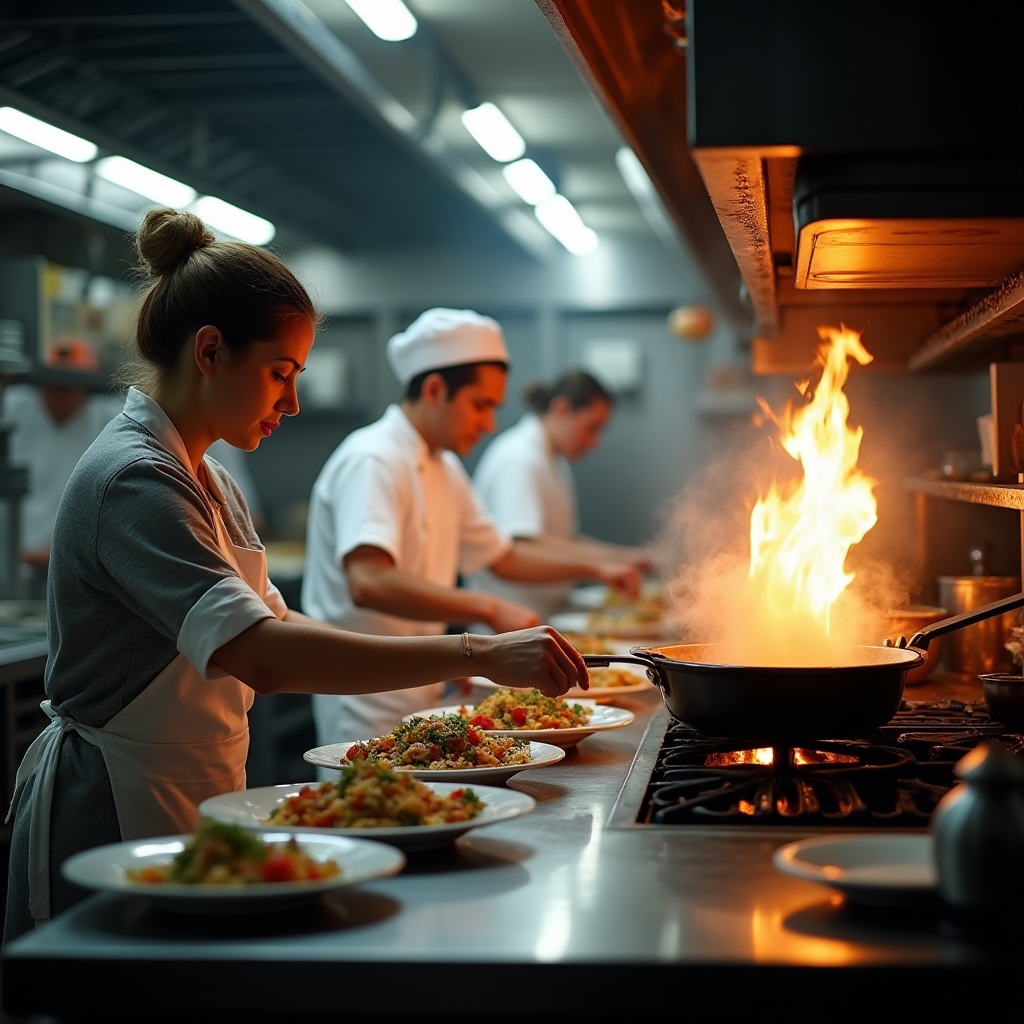
The structural gaps specific to food businesses
Kitchen Leadership Roles
Defining who leads each station, what authority they have, and how decisions flow when the owner isn't present. Moving from "everyone asks the chef" to a functional kitchen hierarchy.
Recipe & Process Standards
Documenting preparation standards so quality doesn't depend on which staff member is working that day. Not a rigid manual — a practical reference that new staff can actually use.
Supplier Management
Moving supplier relationships from the owner's personal contacts to a managed process: who orders, what quantities, from whom, and what happens when a supplier fails to deliver.
Multi-Location Readiness
If you're planning a second location, we diagnose what needs to be in place at the first one before you can replicate it. Opening a second site before the first is structured usually damages both.
Staff Onboarding Structure
Creating a real onboarding process so new staff understand expectations from day one — reducing the turnover that comes from unclear roles and undocumented standards.
Operational Visibility
Building the basic reporting structure so you can see what's actually happening: food cost by category, staff cost by shift, and the operational metrics that matter for your size.

Same process, gastronomy context
Our six-month biweekly structure applies to gastronomy businesses with the specific challenges of the sector built into the diagnosis.
We observe operations during service Not just in meetings. We need to see how the kitchen actually runs, not hear a description of it.
We work with kitchen and front-of-house Both sides of the operation need structure. Most problems in restaurants cross that divide.
We adapt to gastronomy rhythms Visits happen at times that don't disrupt service. We work around your operation, not against it.
Tell us where you feel the strain
Whether you're opening a second location or just starting to feel that the first one is getting away from you — we can have an honest conversation about what's happening and what might help.
Get in touch